We’ve been on your side of the project.
We know what it takes to run a construction project because we’ve done it.
Estimating, subcontractors, preconstruction dates, construction budgets, client expectations, change orders, and progress payments all inform how we approach design from the first layout.
Our experience allows us to consider how decisions made during design will affect the construction process, the investment, and the people responsible for bringing the project to life.
Real construction experience. Built into our design process.
Luxe Living founder Justin Berg previously operated a construction company and brings six years of experience leading design and construction projects.
His background includes estimating, contracts, purchasing, subcontractor coordination, construction scheduling, and managing client expectations.
That firsthand experience shapes how Luxe Living evaluates layouts, material selections, project budgets, and design deadlines.
We understand that decisions made in the studio have consequences in the field.
More importantly, we understand how those consequences affect the builder’s business.
- Experience
- Six years leading design and construction projects
- Background
- Estimating, contracts, purchasing, subcontractors, scheduling
- Today
- Interior design. Luxe Living does not perform or contract construction work
Six things we design around.
The budget is part of the design.
Every layout change can affect construction costs.
We consider existing conditions and evaluate how the design can be elevated without automatically introducing unnecessary structural, plumbing, or electrical modifications.
When a change could materially affect the estimate, we coordinate with the builder early so the client understands the implications before approving the direction.
The objective isn’t to create the least expensive design. It’s to understand where additional investment creates meaningful value.
Details matter before drywall.
Small design oversights can become expensive construction changes.
Door swings, electrical switches, outlets, vanity clearances, cabinetry interfaces, lighting locations, and plumbing rough-ins need to be considered together.
We work to identify potential conflicts during design and coordinate with the appropriate team before those issues become disruptive field changes.
Preconstruction dates have real consequences.
We understand that construction scheduling is connected to much more than a tentative start date.
Delayed selections or unresolved design decisions can affect procurement, subcontractor availability, trade schedules, mobilization, and anticipated progress payments.
We work to establish design milestones around the project’s preconstruction requirements and communicate decisions or changes that could affect those dates.
Clients should understand what they approve.
Misunderstandings after construction begins can become expensive disputes.
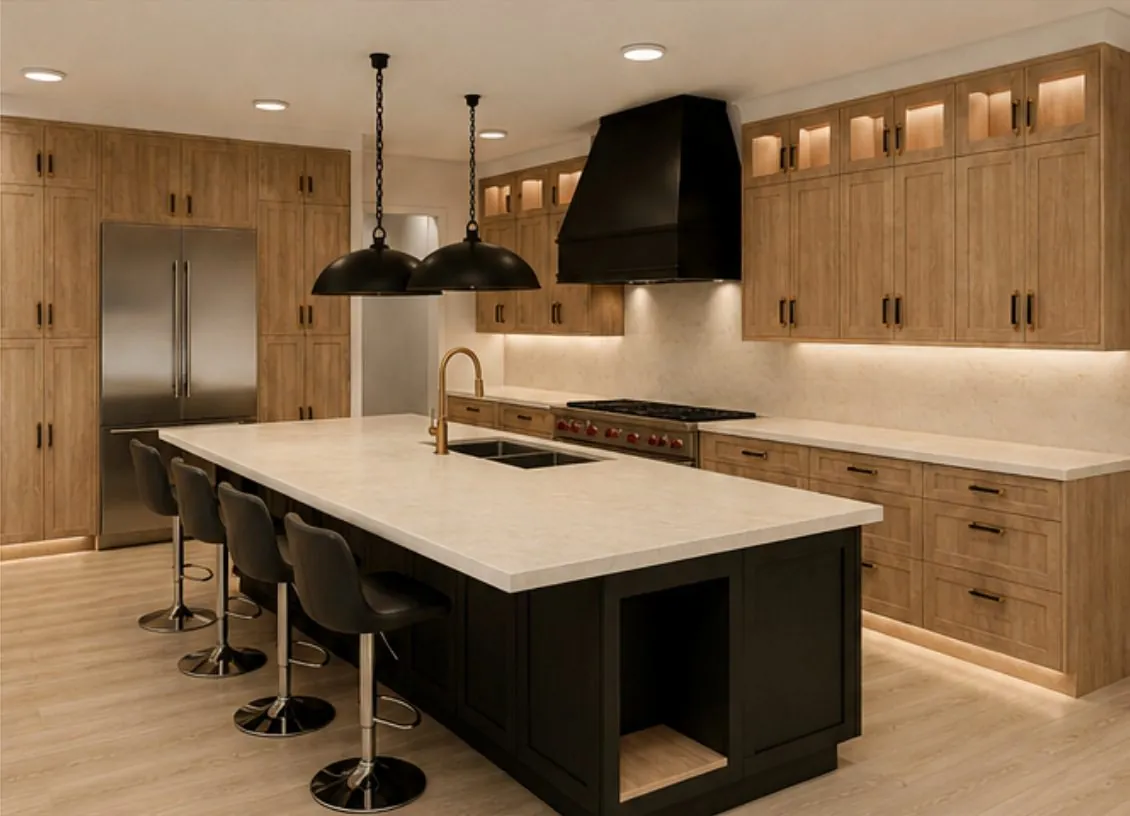
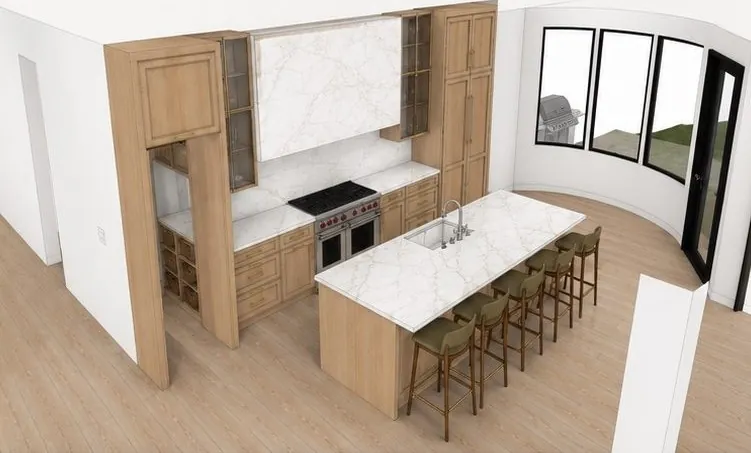
Through photorealistic visualization, material selections, defined review stages, and documented approvals, we help clients understand the design before making final commitments.
When changes are requested after approval, they should be communicated to the builder for cost and schedule evaluation before the affected work proceeds.
The builder needs to hear about changes early.
Changes to cabinetry, lighting, materials, layouts, or other design details can affect multiple trades.
We prioritize communicating what has changed, which drawings or selections are affected, and what the builder needs to review.
The builder shouldn’t discover a significant design revision after related construction work is already underway.
Design support has a defined scope.
Our Full-Service Interior Design engagements can include interior design construction documentation, construction-phase design administration, and agreed site observations.
We remain available within the contracted scope to clarify design intent and coordinate design-related questions as construction progresses.
The builder remains responsible for construction estimating, subcontractors, supervision, safety, sequencing, and execution. Our role is to support the design and work collaboratively with the construction team.
We understand what’s at stake for your business.
A design delay rarely affects just the design.
It can disrupt subcontractor schedules, delay procurement and mobilization, affect anticipated progress payments, reduce project profitability, and create unnecessary tension with the client.
We’ve experienced the construction side of those challenges firsthand.
That’s why we prioritize informed design decisions, timely selections, clear client approvals, and communication with the builder throughout the process, not simply when the design package is complete.
A primary bath, two ways.
Moving a fixture can improve a room, and it also moves drains, supply lines and trades. We evaluate both paths on paper so the tradeoffs are visible before anyone is on site.
Option A · Working with existing conditions
Explore how the bathroom can be transformed through layout refinement, materials, custom cabinetry, lighting, and architectural detailing while retaining practical existing plumbing locations.
Existing drain or supply point
- Every fixture stays on the existing wet walls.
- Plumbing rough-in can remain largely unchanged, which may involve fewer trades.
- May mean less disruption to adjacent framing and to the schedule.
- The tub stays in an alcove, away from the window.
- Fixture positions are set by where the existing lines are.
Option B · Relocating plumbing
Moving the shower, vanity, or other fixtures may introduce additional plumbing work, construction coordination, expense, and scheduling considerations.
New point required × Existing point capped
- A freestanding tub at the window and a more open east side.
- More freedom in how the room is composed.
- New drain and supply locations, with the former points capped.
- May need floor framing review by a licensed professional and added trade coordination.
- Schedule and cost impact are priced by the builder. None is assumed here.
Significant alterations can be well worth it when they materially improve the design. Luxe Living evaluates the design alternatives while the builder determines construction pricing and scheduling implications.
Illustrative example only. This is not a specific project and not a documented cost saving, and it shows no costs or savings; pricing belongs to the builder. Structural, mechanical and plumbing design remain with appropriately licensed professionals.
Six steps, aligned to your project.
A concise process built around the construction investment, your preconstruction dates and your client’s approvals.
- 01Early AlignmentUnderstand the construction investment, existing conditions, anticipated preconstruction date, project scope, and responsibilities.
- 02Design DevelopmentExplore layouts, materials, and details while considering their construction implications.
- 03Visualization & Client ReviewPresent design concepts and photorealistic views to help clients understand proposed decisions.
- 04Documented ApprovalsRecord approved layouts, selections, and revisions before the corresponding construction commitments whenever possible.
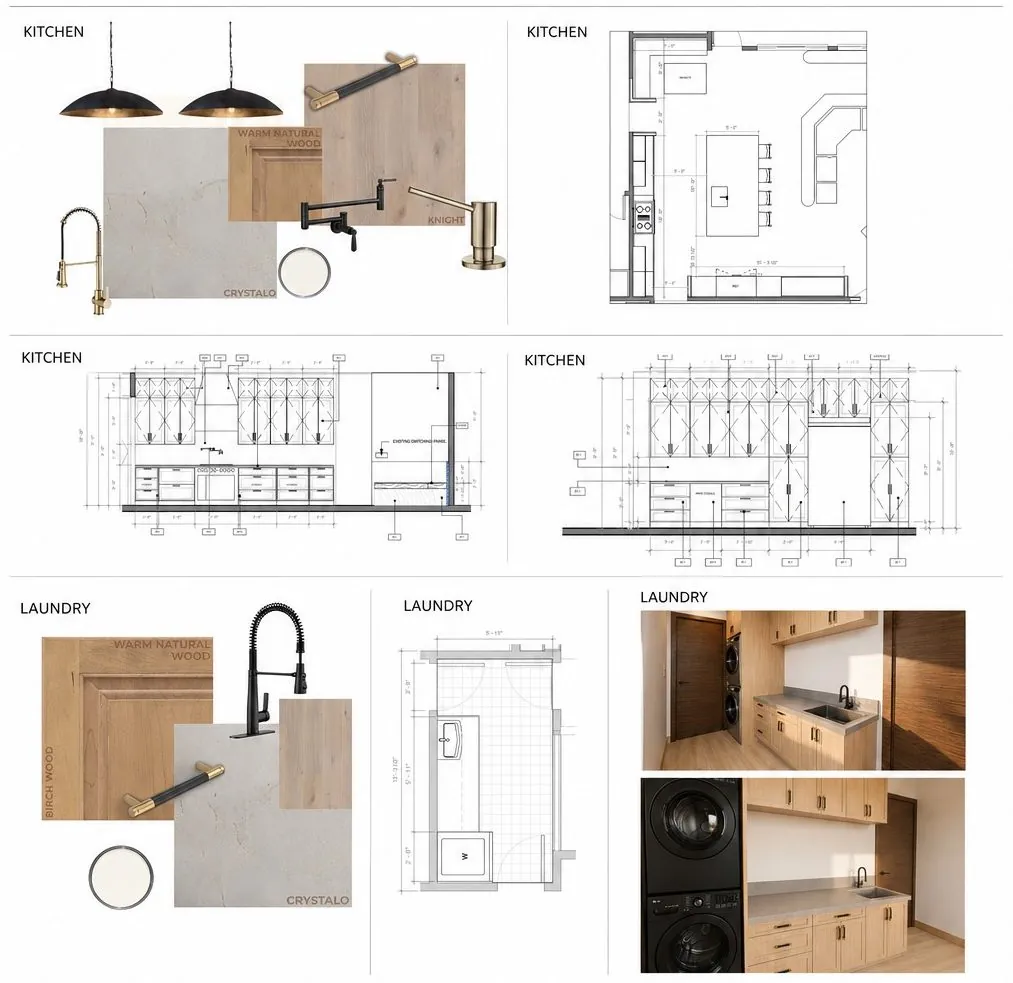
- 05Design Package DeliveryProvide the agreed drawings, schedules, specifications, and approved design information according to the contracted scope.
- 06Construction-Phase SupportFor Full-Service engagements, provide agreed design administration and site observations, coordinating design-related questions with the construction team.
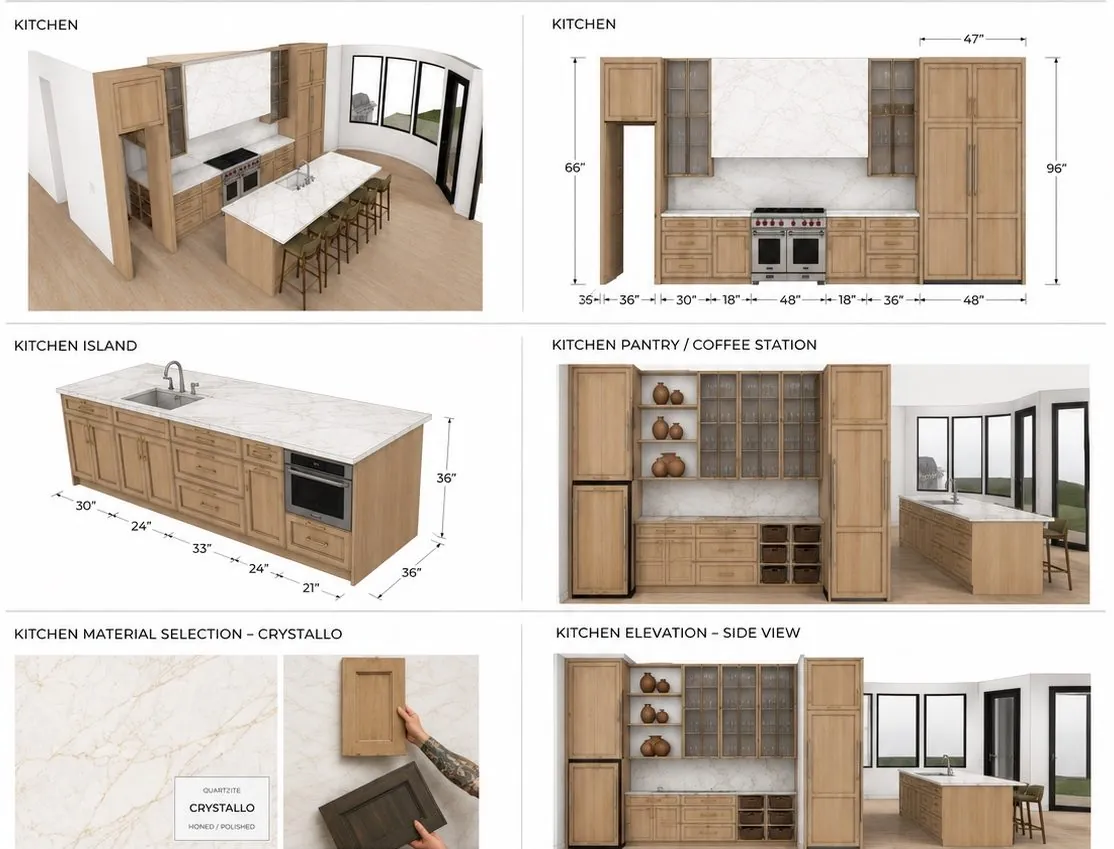
See what your team receives.
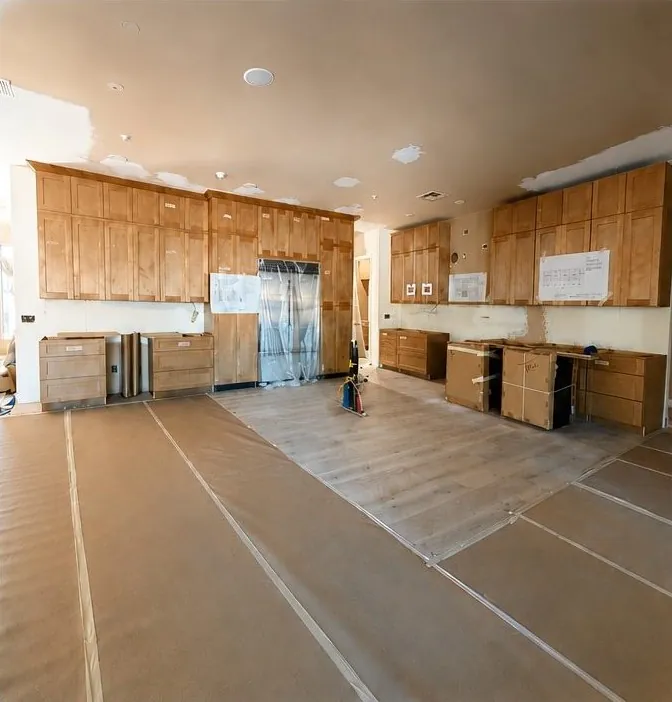
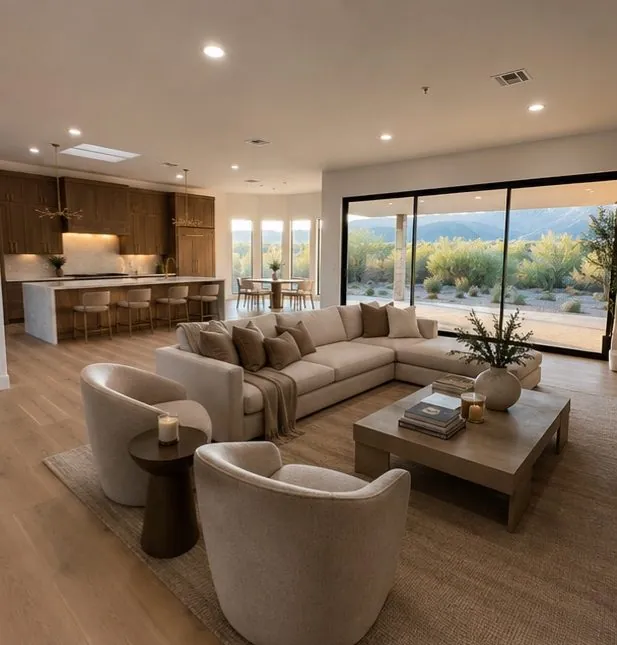
Real project materials show how a design concept connects to project documentation. Each image is labeled by what it shows. Luxe Living’s work is the interior design: renderings, plans, elevations and selections. Construction is separate from Luxe Living’s services.
Four Peaks
Desert Mountain
A design partner for the projects ahead.
We value relationships built on clear expectations, consistent communication, and a shared commitment to delivering exceptional work. For builders managing multiple projects, we can discuss coordinated design schedules, defined approval checkpoints, and repeatable documentation standards.
Our goal is to establish relationships that become more effective with every project.
Discuss a Builder Partnership